 AUS Stock - Local Delivery

Most growers don’t miss flowering — they misread it.
If you’re growing cannabis in Australia, sooner or later you’ll ask the question every grower asks: when does flowering actually start?
The short answer is simple.
Indoors: flowering starts when photoperiod plants receive long, uninterrupted nights — usually when you switch the lights to 12 hours on / 12 hours off.
Outdoors in Australia: flowering usually begins mid-to-late summer, when day length starts shrinking after the peak of summer.
But that’s only the short version. The real version matters more, because plenty of growers confuse pre-flower, transition, and true flowering — and that confusion leads to bad feeding, late training, and early-harvest regret.
As Matty likes to say, flowering doesn’t start when you panic and buy bloom boosters. It starts when the plant decides winter is coming.
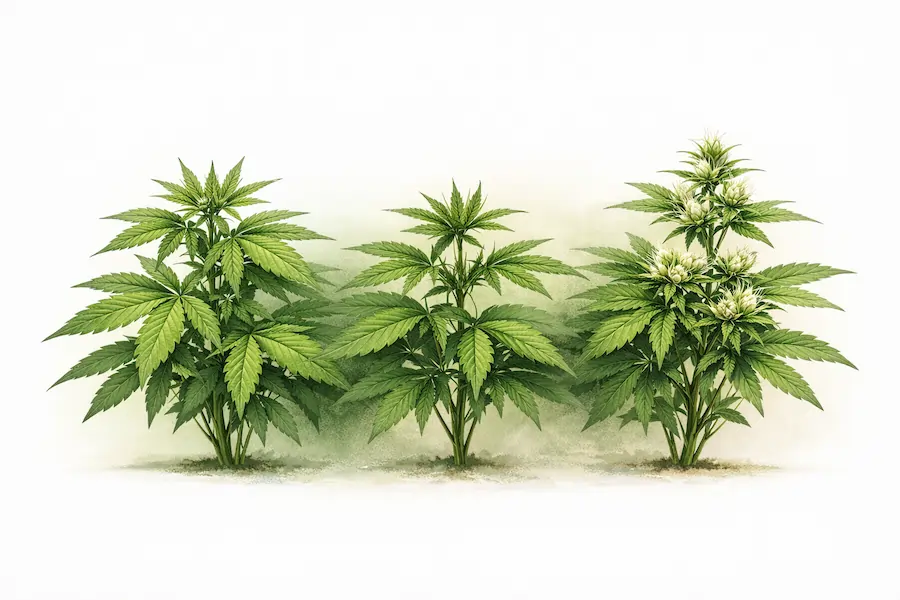
The Flowering Illusion (Where Growers Get It Wrong)
Most growers don’t miss flowering.
They misread when it actually starts.
The plant doesn’t suddenly switch from veg to fat buds. It transitions—and that transition is where most of the important decisions get made.
The consequence: if you treat early transition like full flower, you don’t kill the plant—you lock in a smaller structure, weaker bud sites, and a harvest that never reaches its real potential.
That’s why growers end up with plants that look fine… but never really deliver.
Matty’s rule: “By the time you think it’s flowering, half the important decisions are already behind you.”
What “Flowering” Actually Means
Cannabis doesn’t jump straight from leafy veg growth into fat, frosty buds. There’s a transition period, and if you don’t understand that, the whole run gets harder than it needs to be.
In practice, flowering happens in three stages.
1) Pre-flower
This is when the plant starts showing sex. Female plants develop tiny pistils at the nodes, while males develop pollen sacs.
At this stage the plant is still mostly behaving like it’s in vegetative growth.
2) Transition (The Stretch)
Once flowering is triggered, the plant enters a 1–3 week stretch phase. Growth accelerates, spacing changes, and the plant starts re-shaping itself for reproduction.
Some cultivars will nearly double in height here.
This is the commitment phase.
Once the stretch slows and the plant shifts into true flowering, its structure is largely set.
You can improve conditions—but you can’t rebuild what it didn’t build during transition.
Matty’s observation: this is where most first runs go sideways. Growers think the plant is “just settling in” — then two weeks later the tops are kissing the light.
Reality check: if your plant is stretching fast, spacing out, and not building real bud mass yet—that’s not a problem.
Mid-run check: if your plant is stretching fast, looks a bit too open, and you’re thinking “this should have more buds by now”…
That’s the exact moment most growers interfere—and quietly reduce their final yield.
3) True Flowering
After the stretch slows down, the plant commits to bud production. Bud sites form clearly, calyxes stack, trichomes build, and the plant shifts its energy away from stems and leaf mass.
Matty’s rule: a few white hairs don’t mean flowering has started. Flowering starts when the plant stops building stems and starts building buds.
The Flowering Trigger Cheat Sheet
| Grow Situation | What Triggers Flowering |
|---|---|
| Indoor photoperiod plants | Switch lights to 12 hours light / 12 hours darkness |
| Outdoor photoperiod plants | Daylight drops below roughly 14 hours |
| Autoflower plants | Plant age (usually 3–5 weeks from sprout) |
Matty’s take: think of it like three different clocks. Indoor plants follow the light switch, outdoor plants follow the sun, and autoflowers follow their birthday.
When Cannabis Starts Flowering Indoors
Indoor growers control the seasons.
Photoperiod cannabis plants start flowering when they receive long uninterrupted nights. Most growers trigger this by switching from a vegetative cycle like 18/6 or 20/4 to the classic flowering cycle: 12 hours light / 12 hours darkness.
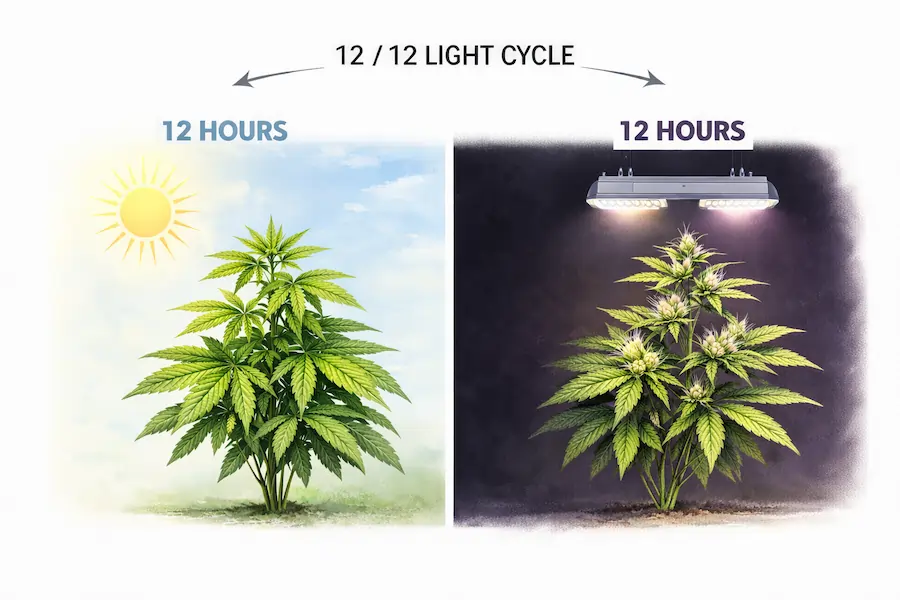
The key signal isn’t the light. It’s the darkness.
The plant reads those longer nights as a sign that winter is approaching, and it starts preparing to reproduce.
Under the hood, the plant is measuring uninterrupted night length through its internal light-sensing system. In practical grower terms, once you give it roughly 10–12 hours of real darkness, the hormonal signal to flower can begin.
That’s why a quick torch check in the tent or a pinhole light leak can matter more than people think. To the plant, the night just restarted.
How quickly does flowering begin after the flip?
Most mature plants show clear transition signs within 5–14 days after the flip.
You’ll usually see:
- rapid vertical growth
- new pistils at bud sites
- changed internode spacing
- a noticeable shift in posture and appetite
Matty’s take: flipping to 12/12 starts the race — it doesn’t hand you a jar of buds. The first two weeks are where growers either shape the canopy properly or realise, a bit late, that they should have.
The maturity check most growers skip
A plant is much easier to flip cleanly once it has reached sexual maturity.
One easy sign is alternating nodes. Young plants tend to grow symmetrical, opposite branches. Mature plants start producing nodes in an alternating pattern.
If you flip before that maturity shift, the transition often drags out longer and the stretch can get weirder.
Matty’s check: if the plant hasn’t shown alternating nodes or clear pre-flowers yet, don’t act shocked when the flip takes longer than expected.
When Cannabis Starts Flowering Outdoors in Australia
Outdoor cannabis responds to changing day length, not the calendar on your fridge.
Once daylight starts shrinking after the peak of summer, photoperiod plants begin transitioning into flower.
A lot of articles still repeat the same lazy line that outdoor flowering begins after the autumn equinox. That’s not right. In most parts of Australia, flowering begins weeks before that.
A good working rule is this: most photoperiod plants start getting serious about flowering once daylight drops below roughly 14 hours.
Typical outdoor timing across Australia
Northern tropical regions
Plants may start later because seasonal daylight changes are smaller and humidity complicates everything.
Mid-latitude regions (QLD, NSW, WA)
Many outdoor plants begin transitioning mid-to-late summer.
Southern regions (VIC, SA, TAS)
Plants often start earlier because daylight hours shorten faster and autumn weather arrives harder.
In practical terms, that means growers in places like Melbourne or Hobart often see the trigger arrive around late January, while further north the timing shifts a bit because day length behaves differently.
This is exactly why genetics matter. A long-flowering tropical sativa might be beautiful on paper, but if you’re trying to finish it through a wet southern autumn, you’re basically booking yourself stress.
Matty’s warning: outdoor plants near a balcony lamp, security light, or street light can get stuck in a weird limbo where they never fully commit to flower — or they try to reveg while the rest of the garden is finishing. It happens more often than people think.
What About Autoflowering Cannabis?
Autoflowers work differently.
They don’t rely on seasonal light change to begin flowering. Instead, they start mainly based on age.
Most autoflower cultivars begin flowering around 3–5 weeks from sprout, depending on genetics and conditions.
That makes them convenient, but also unforgiving. Once the clock starts, the clock starts.
If you’re looking at that route, start with stable autoflower cannabis seeds for Australia and don’t waste the early weeks.
The First Real Signs Flowering Has Started
Growers often stare at pistils, but pistils alone don’t tell the whole story.
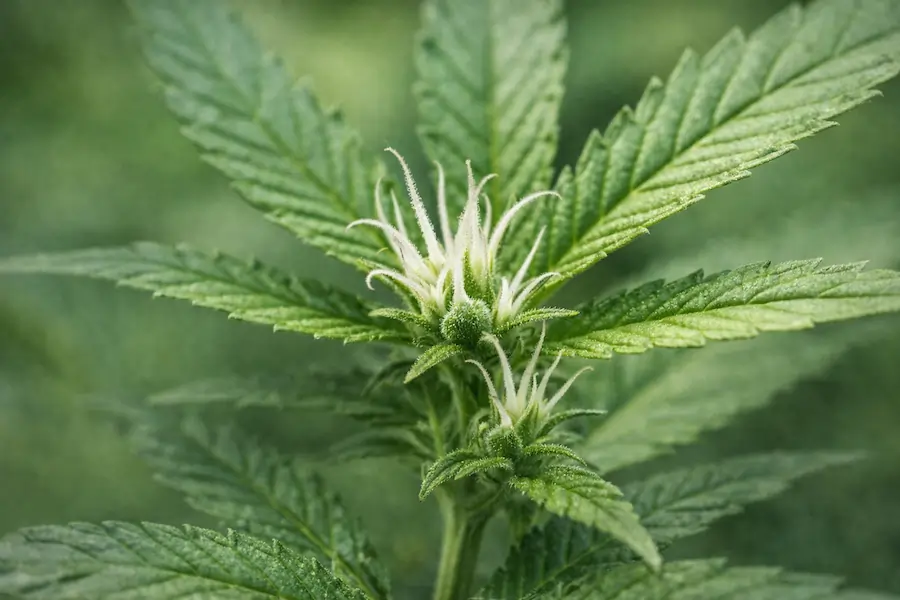
These are the signs that matter.
1) The stretch
The plant suddenly accelerates upward growth. This usually shows up during the first two weeks after flowering is triggered.
2) Clusters of pistils
One or two pistils means the plant is talking. Clusters mean it’s starting to commit.
3) A change in growth pattern
Leaf production slows, and the plant starts focusing on bud sites instead of framework.
4) Aroma begins climbing
Once terpene production starts ramping quickly, you’re moving well beyond pre-flower.
Matty’s observation: some plants go from “barely smells” to “your carbon filter better be real” in about a week.
Indoor Flowering Timeline
Here’s the clean version growers actually need.
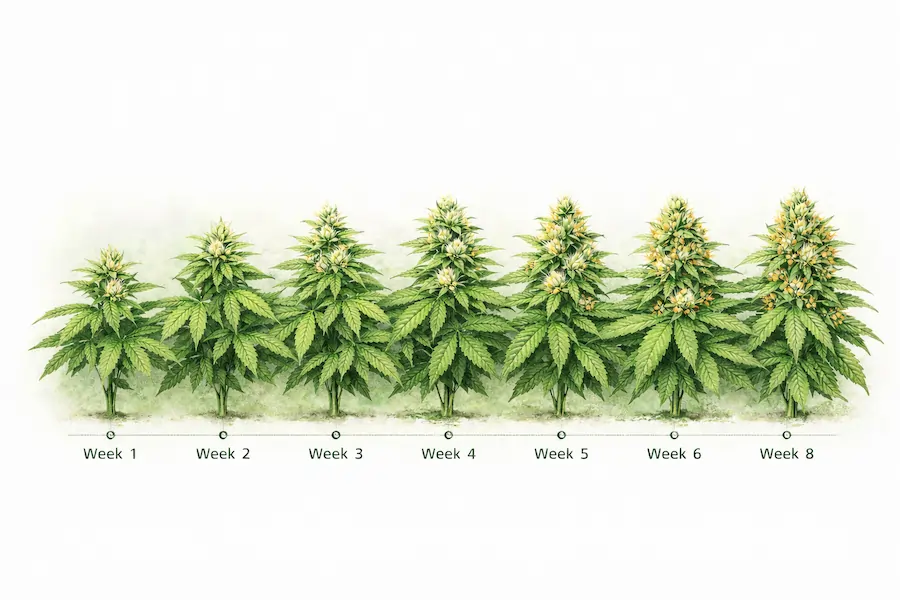
| Stage | What Happens | Matty’s Watchpoint |
|---|---|---|
| Week 1–2 | Stretch begins, pistils appear, the plant re-shapes itself | This is your last clean training window |
| Week 3–4 | Bud sites form clearly and stretch starts slowing | You’ll know here if your environment is actually dialled |
| Week 5–6 | Buds start stacking, resin production climbs, smell ramps up | Support heavy cultivars before they ask for it |
| Week 7+ | Density increases, trichomes mature, pistils darken and retract | Don’t harvest by excitement |
Matty’s cue: when transition ends, the top growth often bunches up into a little white shaving brush of fresh pistils. That’s the moment a lot of growers should really start counting “true flower” from — not the exact day they flipped the switch.
Some classic fast-finishing strains like Northern Lights are still favourites for growers who want a predictable flowering window without drama.
Outdoor Flowering Timeline
Outdoor flowering follows the same broad rhythm, but weather and cultivar choice push the timing around more than they do indoors.
Early flower: stretch begins and pistils multiply.
Mid flower: bud sites stack, smell increases, nutrient demand shifts.
Late flower: density rises, resin peaks, and mould risk becomes the main villain in humid conditions.
Outdoor growers quickly learn that structure and airflow matter just as much as feed charts.
The Biggest Flowering Mistake Growers Make
The most common mistake isn’t missing flowering.
It’s mistaking transition for full flower—and reacting like the plant is already behind.
You see a few pistils, assume flowering has begun, and start forcing bloom nutrients, stripping leaves, or changing your setup.
The problem: the plant is still in transition—not full flower.
The consequence: you interrupt structure development, and the plant enters its stacking phase with less momentum.
That’s how you end up with smaller buds, weaker lower sites, and a harvest that looks good—but feels underwhelming.
Matty’s version: “The plant is changing gears. If you floor it too early, you don’t go faster—you stall it.”
How to Optimise Flowering Indoors
Protect the dark cycle
Even small light leaks can delay or confuse flowering. If the plant thinks the night restarted, the signal resets.
Respect the stretch window
The first 10–14 days after the flip decide your canopy. Train here—or accept the structure you get.
Don’t drop nitrogen too early
The stretch still needs fuel. Cut nitrogen on Day 1 and you slow the structure before it’s finished building.
Shift nutrients gradually
Going from veg feed to heavy bloom feeding overnight stresses the plant right as it’s transitioning.
Fix humidity early—or pay later
Bad airflow and high RH during early flower show up as mould risk when buds get dense.
How to Optimise Flowering Outdoors
Pick genetics that match your finish window
Long-flowering sativas sound great—until they’re still stacking in cold, wet autumn conditions. In southern Australia, that’s how good grows turn into mould problems.
Understand your local trigger timing
Flowering doesn’t start on a calendar date—it starts when daylight drops. In most Australian regions, that means mid-to-late summer, not the autumn equinox people repeat online.
Shape the plant before flowering commits
Once stretch ends, structure is mostly locked. If airflow and light aren’t moving through the canopy by then, you’re not fixing it later—you’re managing the outcome.
Don’t let light pollution confuse the signal
Street lights, patio lights, and even nearby houses can interrupt the dark cycle. That’s how plants get stuck half-flowering or start revegging mid-season.
Control airflow before density arrives
Open structure early. Once buds start stacking, trapped air and humidity become your biggest risk—not nutrients.
Respect late-season humidity
By the time buds are dense, the environment decides the finish. Still air + wet weather doesn’t reduce quality—it destroys it.
Matty’s rule: “Outdoors, you don’t control the season—you prepare for how it ends.”
The Moment a Plant “Commits” to Flower
This is the part most guides miss.
The flip doesn’t matter nearly as much as the commitment moment.
You’ll recognise it when:
- the stretch starts slowing
- budlets form clearly
- new leaf production drops
- resin production begins ramping up
That’s when the plant has truly entered flowering mode.
Matty’s line: flowering doesn’t start when you see a pistil. Flowering starts when the plant decides winter is coming.
One thing to remember: if it’s still stretching, it’s still building—and interfering here is how most growers shrink their final result.
Final Word
Indoor growers control the seasons.
Outdoor growers work with them.
But the signal is always the same: longer nights.
Once you understand that signal, flowering stops being mysterious and starts being manageable.
And when you manage it properly, everything downstream gets easier:
- feeding
- training
- humidity control
- support timing
- harvest decisions
Matty’s final take: the plant knows when winter is coming. Your job is making sure it finishes strong before it gets there.